Skip to content
●Who We Are
●What We Do
●Licenses and Tools
●Blog
●Support Us
●Search
●Donate
●
●
Global Network
Join a global community working to strengthen the Commons
●
Certificate
Become an expert in creating and engaging with openly licensed materials
●
Global Summit
Attend our annual event, promoting the power of open licensing
●
Chooser
Get help choosing the appropriate license for your work
●
Search Portal
Find engines to search openly licensed material for creative and educational reuse
●
Open Source
Help us build products that maximize creativity and innovation
Help us protect the commons. Make a tax deductible gift to fund our work. Donate today!
Archives
Categories
●All posts
●About CC
●CC Certificate
●Community
●Licenses & Tools
●Open Culture
●Open Knowledge
●Policy
●Technology
byAnna Tumadóttir
About CC
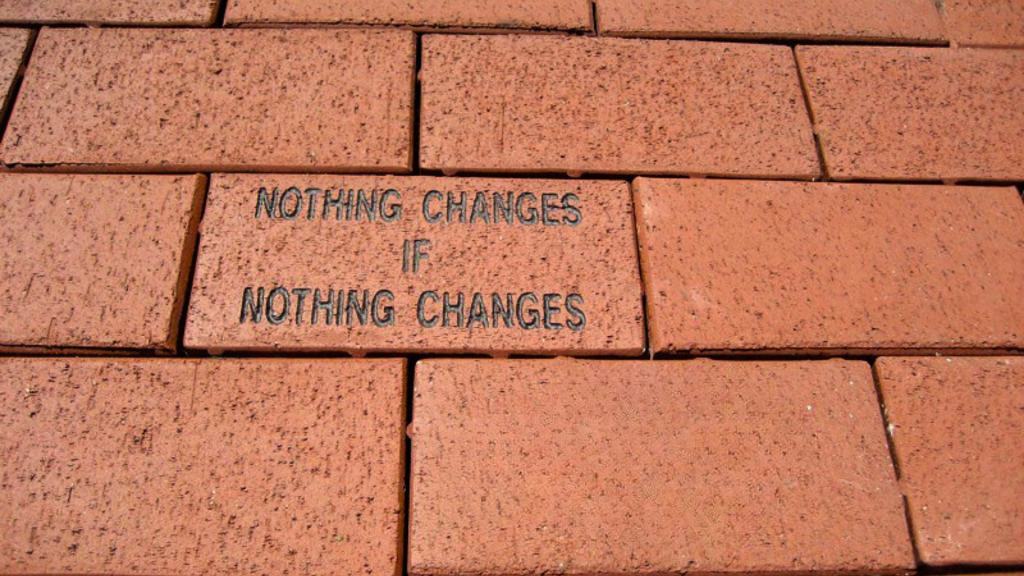 “Input” by Adam Pieniazek, modified by Creative Commons, is licensed via CC BY 2.0.
In 2026, Creative Commons will continue to ensure that technological change strengthens, not erodes, the commons and improves the acts of sharing and access that are part of our everyday lives. We do this by applying first principles, practical strategies, and lessons learned from decades of advancing the commons. Sharing of research, educational materials, heritage, and creative works are acts of generosity—these are the gifts people give to the commons. Access to these same shared resources enables collaboration, innovation, and understanding. Together, this is how we improve access to knowledge and build a more equitable future.
byAnna Tumadóttir
About CC
 "Kaleidoscope 2" by Sheila Sund is licensed under CC BY 2.0, remixed by Creative Commons licensed under CC BY 4.0
This year marked the first year of a new strategic cycle for Creative Commons, and it began amid profound change. The ground beneath the open internet continues to shift. Powerful technologies, driven largely by multibillion-dollar companies, are reshaping how knowledge and creativity are shared online, concentrating power in the hands of a few and testing long-standing assumptions about openness and access.
bySarah Hinchliff Pearson
Licenses & Tools
 Distorted Forest Path by Lone Thomasky & Bits&Bäume, licensed with CC BY 4.0.
As we look back on 2025, it’s clear that the internet as we know it is changing. Information is being removed from the web or locked away. We are experiencing a crisis in the commons, driven in part by current AI development practices. New systems are emerging in response—from content monetization schemes and licensing agreements designed to protect large rightsholders, to the ongoing morass of lawsuits about how AI services are using content as data. We are in the midst of a major reconfiguration of how we share and reuse content on the web.
byCreative Commons
Policy, Sustaining the Commons
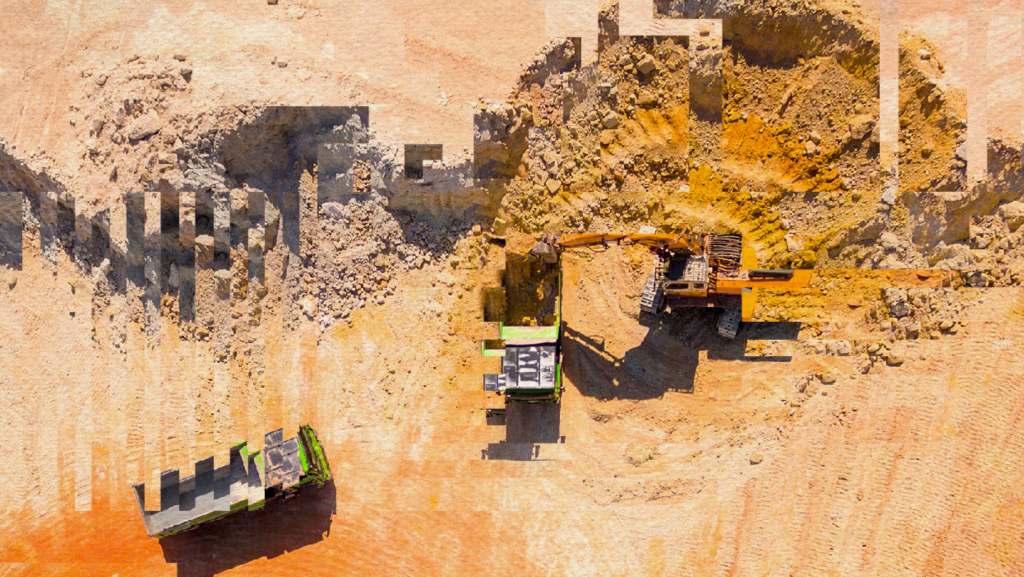 "Distorted Sand Mine" by Lone Thomasky & Bits&Bäume, licensed under CC BY 4.0.
As we’ve discussed before, the rise of large artificial intelligence (AI) models has fundamentally disrupted the social contract governing machine use of web content. Today, machines don’t just access the web to make it more searchable or to help unlock new insights; they feed algorithms that fundamentally change (and threaten) the web we know. What once functioned as a mostly reciprocal ecosystem now risks becoming extractive by default.
byAnna Tumadóttir
Licenses & Tools, Sustaining the Commons
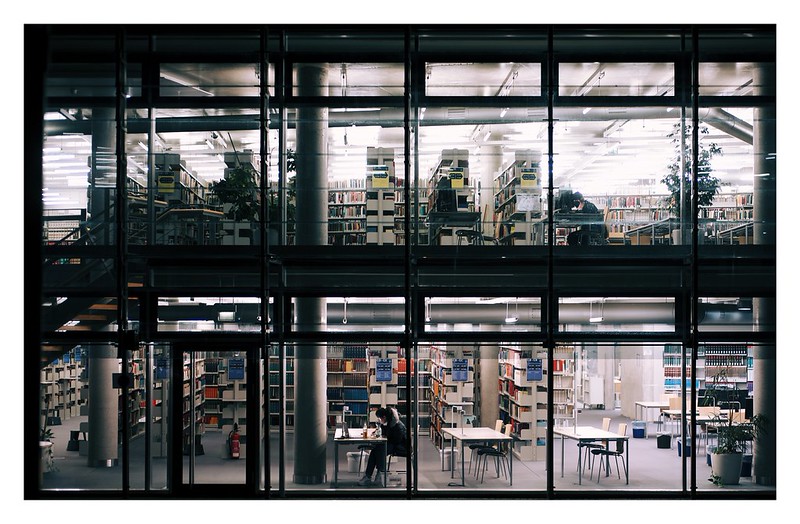 "Studying" by Dr. Matthias Ripp, March 2022, CC BY 2.0, Flickr.
At Creative Commons, we’ve long believed that binary systems rarely reflect the complexity of the real world—nor do they serve the commons very well. The internet, like the communities that built it, thrives on nuance, experimentation, and shared stewardship. That’s why we’re continuously working to introduce choice where there has been little, and to advocate for systems that acknowledge the diversity of values and needs across the web.
byCreative Commons
About CC
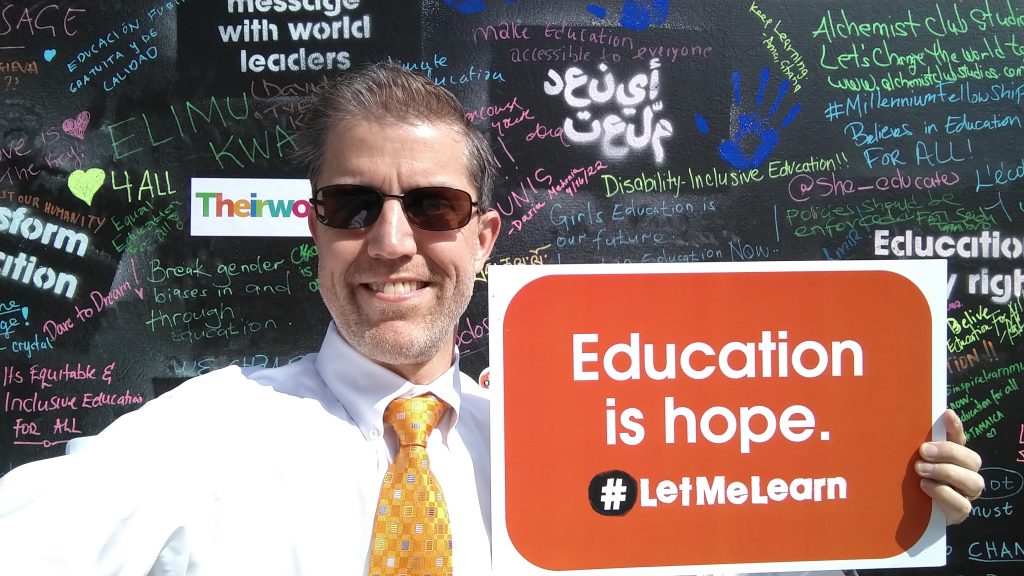 Education is Hope. By Cable Green at the United Nations. CC BY 4.0
After almost 15 years of dedicated service, Dr. Cable Green, our Director of Open Education, will be moving on from Creative Commons (CC).
byBrigitte Vézina,
Dee Harris
Open Culture, Open Heritage
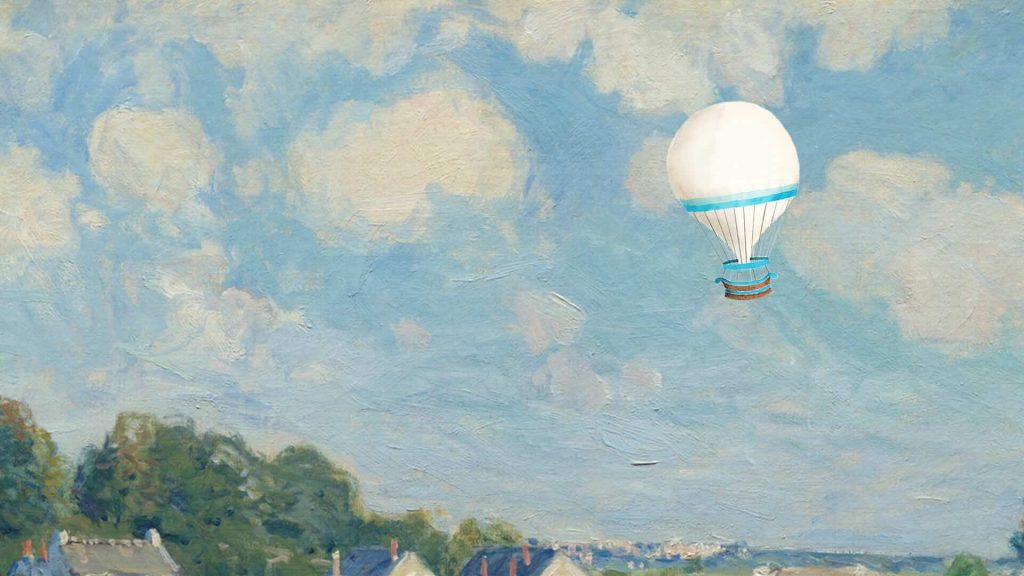 "Watering Place at Marley" by Alfred Sisley, 1875, CC0, Art Institute of Chicago, remixed with "TAROCH balloon" by Creative Commons/Dee Harris, 2025, CC0.
Creative Commons and the TAROCH Coalition (Towards a Recommendation on Open Cultural Heritage) announce the launch of the Open Heritage Statement, now open for signature by governments, organizations, and institutions worldwide. Developed by more than 60 organizations across 25 countries within the Coalition, the Statement defines shared values, highlights key challenges, and sets action-oriented priorities for closing the global gap in equitable access to heritage in the public domain.
byBrigitte Vézina,
Dee Harris
Open Culture
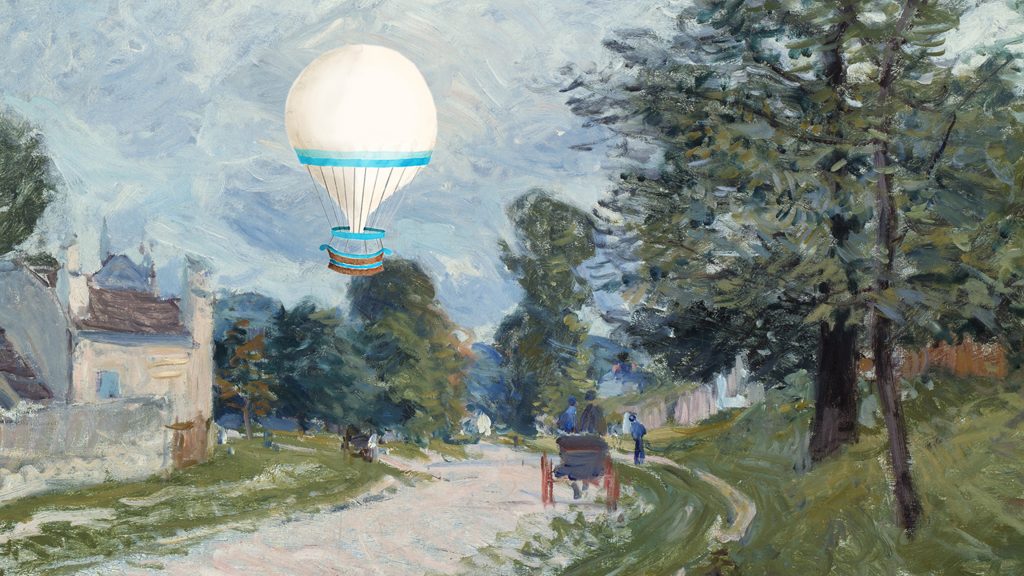 "A Turn in the Road" by Alfred Sisley (1873), CC0, Art Institute of Chicago, remixed with "TAROCH balloon" by Creative Commons/Dee Harris, 2025, CC0.
“A Turn in the Road” by Alfred Sisley (1873), CC0, Art Institute of Chicago, remixed with “TAROCH balloon” by Creative Commons/Dee Harris, 2025, CC0. The (Under-Realized) Potential of Open Heritage To understand our present, we need to know our past: our memories, our history, our heritage. Over the last two decades, pioneers of open heritage…
byJocelyn Miyara
Community
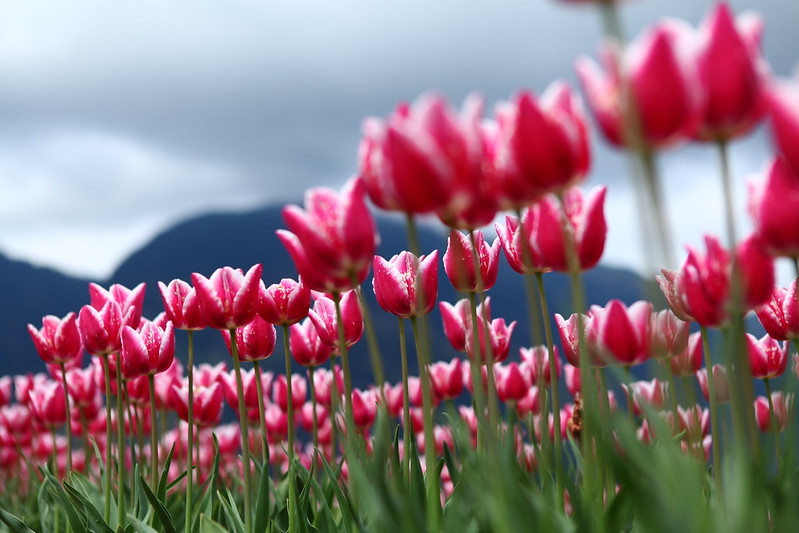 "2012 Tulip Festival @ Agassiz, BC, Canada" by GoToVan is licensed under CC BY 2.0.
Creative Commons is making an important change: we are transitioning our community chat from Slack to Zulip. After considering three platforms—Matrix, Discourse, and Zulip—and gathering input from the community, Zulip came out as the clear favorite. We’d like to warmly invite everyone who sees themselves as part of the CC global community to join us on Zulip.
byBrigitte Vézina,
Dee Harris
Open Culture
 "Watering Place at Marley" by Alfred Sisley, 1875, CC0, Art Institute of Chicago, remixed with "TAROCH balloon" by Creative Commons/Dee Harris, 2025, CC0.
“Watering Place at Marley” by Alfred Sisley, 1875, CC0, Art Institute of Chicago, remixed with “TAROCH balloon” by Creative Commons/Dee Harris, 2025, CC0. Open Heritage and Contemporary Creativity Apollo or Venus in your living room? This is the proposition made by Denmark’s Statens Museum for Kunst (SMK) upon openly sharing its vast collection of 3D…
●1
●2
●3
●…
●544
●>
●Contact
●Newsletter
●Privacy
●Policies
●Terms
Contact Us
Creative Commons
PO Box 1866, Mountain View, CA 94042
info@creativecommons.org
●Bluesky
●Mastodon
●LinkedIn
Subscribe to our Newsletter
Support Our Work
Our work relies on you! Help us keep the Internet free and open.
Donate Now
Except where otherwise noted, content on this site is licensed under a Creative Commons Attribution 4.0 International license. Icons by Font Awesome.